Rehabilitation varies by graft choice, meniscus treatment and individual progress. Your surgeon and physical therapist set the plan for your recovery.
Understanding your procedure
For athletes who require ACL surgery, Dr. Haber generally prefers patellar tendon or quadriceps tendon autograft reconstruction. He may consider bridge-enhanced ACL repair (BEAR) in very specific, carefully selected cases. Associated meniscus repair, cartilage procedures or lateral extra-articular tenodesis may change early restrictions and the rehabilitation plan. Review ACL surgery and graft choices →
Your ACL recovery timeline
- First 6 weeks: protect the knee. All of Dr. Haber’s ACL surgery patients wear a hinged knee brace for the first 6 weeks. Crutches and weight-bearing progression commonly range from 2–6 weeks, depending especially on meniscus repair, cartilage treatment or other ligament procedures performed at the same time.
- Early priorities: motion and quadriceps control. Work toward full knee straightening (extension) and bending (flexion) within your procedure-specific limits. Restore activation and control of the quadriceps—the muscles on the front of the thigh—then normalize your walking pattern when ready.
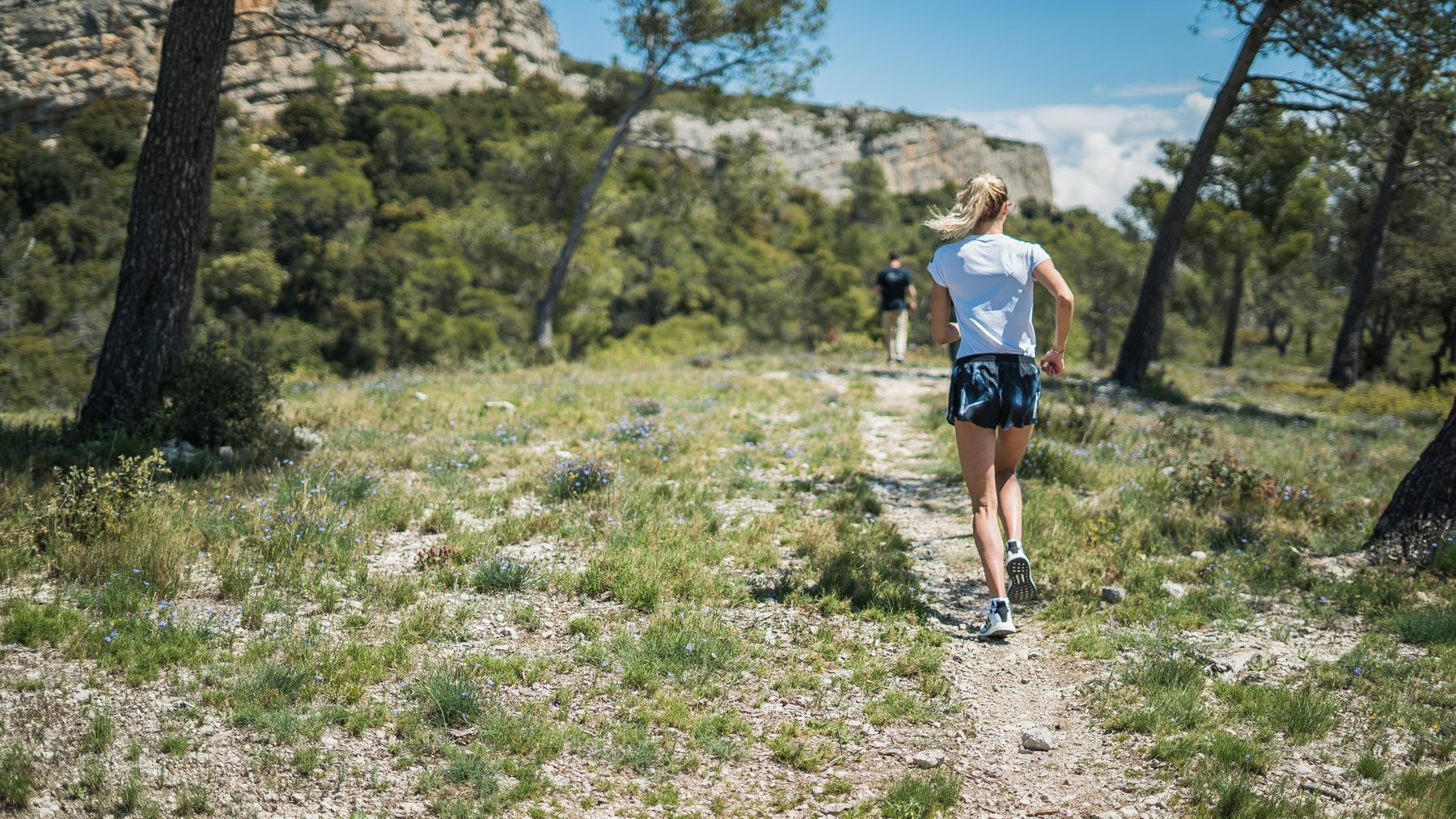
- Around 4–6 months: begin jogging when cleared. Progress depends on healing, strength, knee control and any additional procedures.
- Around 6 months: introduce jumping drills. Plyometrics—controlled jumping and landing exercises—are followed by progressive work on strength, muscular power and agility as criteria are met.
- Usually no sooner than 10–12 months: return to sport. Timing depends on the sport, any additional procedures and meeting objective return-to-sport testing criteria with physical therapy. Reaching a date alone does not mean the knee is ready.
Rebuilding quadriceps strength & control
Dr. Haber supports advanced rehabilitation techniques, including supervised blood flow restriction (BFR) training when appropriate, to help regain quadriceps activation and control early in recovery.
Questions patients commonly ask
When can I go back to work or school?
It depends on your surgery, how much standing or travel is required, and whether your duties are sedentary or physically demanding. Review your situation with the surgical team ahead of time.
Does a different graft change rehabilitation?
Patellar and quadriceps tendon grafts can cause different symptoms where the tendon was taken and may need different strengthening exercises. Graft choice alone generally does not change the return-to-sport timeline; healing, additional repairs and functional testing guide clearance.
When should I be concerned?
New or significant symptoms such as fever, worsening redness, drainage, calf swelling, unexpected severe pain or difficulty breathing deserve prompt medical assessment as directed in your discharge instructions. Call 911 for a medical emergency.
Questions about your physical therapy protocol?
Obtain your specific rehabilitation instructions from Dr. Haber's clinical team. For secure questions use Panorama MyChart ↗ or call 303-233-1223. Read the broader surgical preparation and recovery guide →.